Introduction
When buying property, most homebuyers focus on price, location, and amenities—but one critical legal aspect often goes unnoticed: ingress and egress. In simple terms, these define your legal right to enter and exit a property.
At Rudraksha Homes, Chhindwara, we believe informed buyers make confident decisions. Whether you are purchasing a residential plot, an apartment, or a home within an integrated township, understanding ingress and egress is essential for ensuring legal clarity, safety, and long-term value.
Legally speaking, ingress and egress are not conveniences—they are mandatory access rights required for a property to be considered usable, registrable, and developable. Without them, land can become landlocked, making it difficult—or even impossible—to live on, develop, finance, or resell.
Understanding Ingress and Egress in Real Estate
What Does Ingress Mean?
Ingress refers to the lawful right to enter a property. This could be via a public road, private access road, driveway, or designated pathway.
Common Examples:
-
An approved approach road leading from the main road to a residential plot
-
A gated entrance into a township like Rudraksha Homes
-
A driveway connecting a home to the street
-
Controlled entry points using security gates or access cards
In growing cities like Chhindwara, proper ingress is essential for construction approval, daily accessibility, and emergency response. Without legal ingress, authorities may deny permissions, and banks may refuse home loans.
What Does Egress Mean?
Egress is the legal right to exit a property safely. While ingress focuses on access, egress is especially critical for safety and emergency evacuation.
Typical Examples:
-
Internal roads within a residential township
-
Staircases and fire exits in apartment buildings
-
Driveways exiting to public roads
-
Emergency exits mandated by building codes
Indian building and fire safety regulations require proper egress for all residential and commercial developments—especially multi-storey constructions.
Why Ingress and Egress Are Crucial for Property Ownership
In the context of Indian real estate and local municipal laws, properties without clear access face serious limitations:
-
Legal Compliance: Registration requires approved access roads
-
Construction Approval: Landlocked plots are often denied building permissions
-
Resale Value: Buyers avoid properties with unclear access
-
Loan Eligibility: Banks hesitate to finance properties without legal ingress/egress
-
Emergency Safety: Lack of exit routes can be dangerous
At Rudraksha Homes, Chhindwara, all developments are planned with clearly defined access roads and compliant layouts—ensuring peace of mind for residents and investors.
Ingress and Egress Easements Explained
An easement is a legal right that allows someone to use another person’s land for a specific purpose—most commonly for access.
Common Types of Easements:
-
Express Easement: Clearly mentioned in sale deeds or layout approvals
-
Implied Easement: Arises from long-standing usage
-
Easement by Necessity: Created when a property would otherwise be landlocked
-
Prescriptive Easement: Acquired through continuous, open usage over time
Once registered, easements become part of the property title and transfer automatically during resale.
Real-World Examples Relevant to Chhindwara
-
Residential Plot: A rear plot gains legal access through a registered pathway from the front plot
-
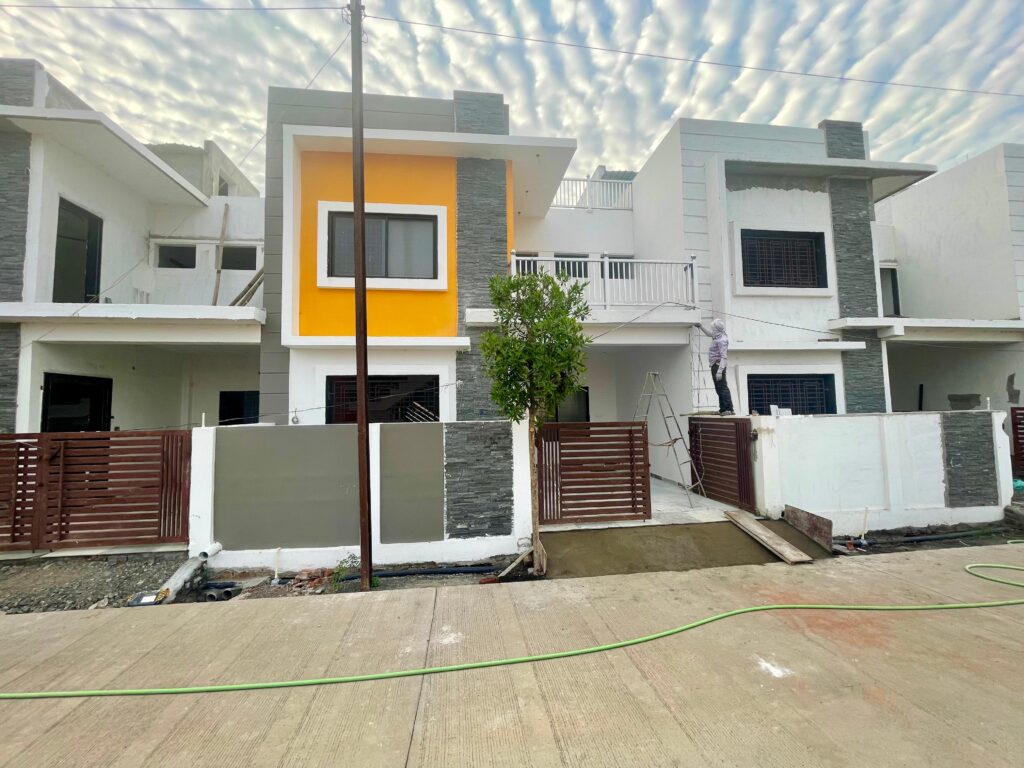
Township Living: Internal roads within Rudraksha Homes provide safe ingress and multiple egress points
-
Apartments: Fire staircases and emergency exits ensure egress compliance
-
Commercial Properties: Dedicated entry and exit lanes improve traffic flow and safety
Well-planned access directly influences a project’s desirability and long-term appreciation.
How to Check Ingress and Egress Before Buying Property
Before purchasing property in Chhindwara, buyers should:
-
Verify sale deed and title documents for access rights
-
Review approved layout plans and approach road details
-
Check RERA registration for sanctioned access roads (new projects)
-
Confirm road width and connectivity to main roads
-
Consult a real estate legal expert
-
Speak to nearby residents about access history
Skipping this step can lead to disputes, delays, or loss of investment value.
Common Ingress and Egress Issues & Solutions
Challenges:
-
Blocked access roads
-
Unregistered pathways
-
Neighbour disputes over right of way
-
Illegal construction on access paths
Solutions:
-
Legal documentation and registration of easements
-
Mediation and notarised agreements
-
Filing for easement by necessity
-
Approaching local authorities for approved layouts
The best protection is due diligence before purchase, which Rudraksha Homes prioritises in every project.
Impact of Ingress and Egress on Property Value
Clear access significantly enhances property value:
-
Higher buyer confidence
-
Faster loan approvals
-
Better resale and rental demand
-
Long-term development potential
Integrated townships like Rudraksha Homes, Chhindwara benefit from professionally planned access, ensuring sustained appreciation and hassle-free ownership.
Key Legal Terms Buyers Should Know
-
Ingress & Egress: Legal right to enter and exit
-
Easement / Right of Way: Permission to use another’s land for access
-
Encumbrance: Any legal restriction on property use
-
Landlocked Property: No legal access to a public road
Understanding these terms helps buyers read documents and communicate effectively with legal advisors.
Final Tips for Property Buyers in Chhindwara
-
Always visit the site personally
-
Ensure access roads match approved plans
-
Confirm whether roads are public or private
-
Avoid properties with disputed or verbal access rights
-
Choose reputed developers with compliant layouts
Conclusion
Ingress and egress are fundamental to property ownership—they determine access, safety, legality, and value. For buyers in Chhindwara, verifying these rights is as important as checking price or amenities.
At Rudraksha Homes, every project is designed with clear, legal, and future-ready access—so homeowners can enjoy peaceful living without legal uncertainty.
A secure home begins with secure access.